
Significance
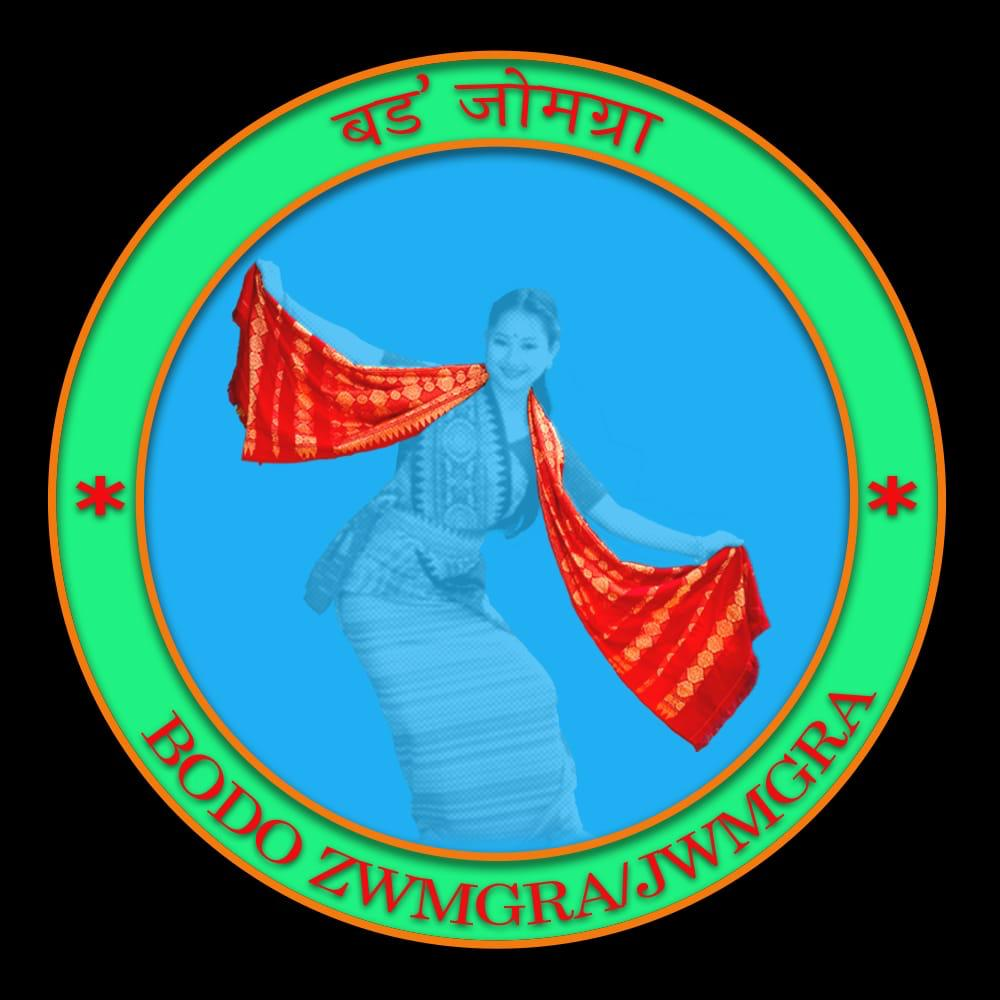
Jwmgra is a traditional Bodo women’s scarf (264 cm by 107 cm) used to cover the upper body, worn all year round paired with the Dokhona. Woven in red, yellow and white with minor patterns of orange and black, it carries strong sociological significance.
History & Cultural Context
Jwmgra is worn by Bodo women to cover the upper portion of the body and is paired with the Dokhona during festivals, weddings and the Bagurumba dance. In marriage ceremonies a specific Dokhona and a red “pahar erkhwnai” Jwmgra are worn by the bride. Jwmgra made from Eri/Indi silk is durable enough to last at least three generations and is exported to Bhutan, Japan, Europe, Spain and the U.S.A.
Process & Techniques
Method of production: Ginning (cotton seeds dried and cleaned); Sizing (boiled with raw rice in an earthen pot); Spinning (sun-dried and rotated into fine thread, then passed through the Grill machine); and Winding of the warp to weave the fabric.
Traditional Knowledge
The Agors used in Jwmgra are larger than those on the Dokhona and cover a large area; the Hajw Agor (hill design) is the most popular and is favoured for weddings. Jwmgra made of Eri silk has anti-thermal properties — warm in winter and cooling in summer.
GI Registration Details
GI Number
GI 607
Application No.
607
Class
Class 24
Filing Date
29 August 2022
Registration Date
March 2024
Registered Applicant
Association of Bodo Traditional Weavers
Facilitated By
Bodo Culture and Heritage Preservation Board (BCHPB)
Geographic Origin
Bodoland Territorial Region (BTR), Assam
Verification Status: VERIFIED
The Trust does not own these GI registrations. GI applicant/registered proprietor information is displayed as documented.