
Every product leads to a story
The GI treasures of Bodoland are not objects alone — they are the visible trace of living traditions. These editorial journeys follow the weave, the sound and the table into the culture that keeps them alive.
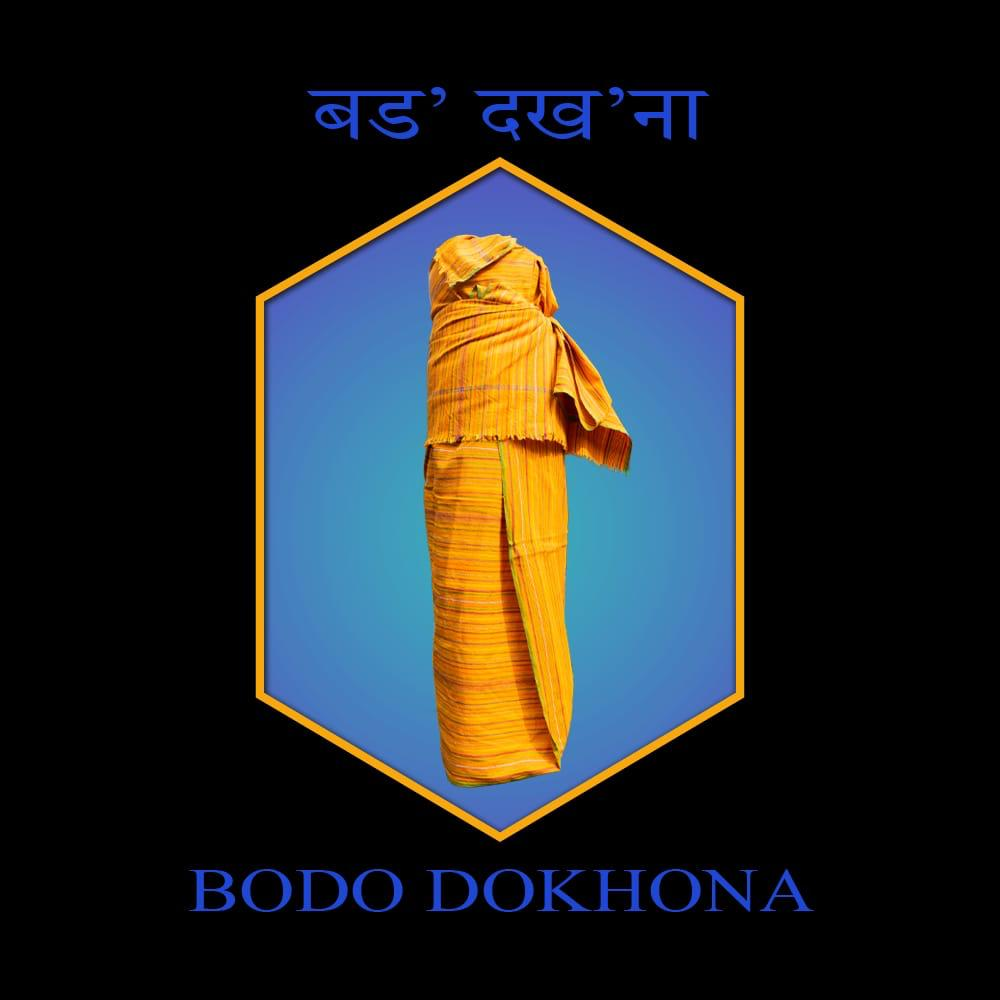
The Weaver
Threads of Identity
Textiles & Handloom
Among the Bodo people, weaving is a language spoken by hand. The loom stands in the courtyard or the veranda of the home, and the rhythm of the shuttle is one of the first sounds a child grows up with.
The dokhona — the traditional wrap worn by Bodo women — is far more than clothing. Its geometric motifs, its borders and its colours mark occasions, communities and belonging. To wear a dokhona is to wear a story that has been passed from mother to daughter across generations.
Draped across the shoulders, the aronai is the cloth of welcome and respect. Short, finely woven and rich with pattern, it is offered to honoured guests and worn with pride at festivals and ceremonies. Its motifs are drawn from the natural world — hills, flowers, the flow of rivers — abstracted into the disciplined geometry of the Bodo loom.
Eri silk, spun from the cocoon of the eri silkworm, is the quiet luxury of Bodoland. Warm, durable and naturally toned, it is known as the “peace silk” because the moth is allowed to leave the cocoon before the fibre is gathered. In the hands of a Bodo weaver, eri becomes shawls and wraps that last a lifetime.
Behind every finished textile is a chain of knowledge: preparing the yarn, dressing the loom, counting the threads, and holding an entire pattern in memory. It is this living knowledge — not any single object — that Geographical Indication registration seeks to protect and pass forward.
Related GI treasures
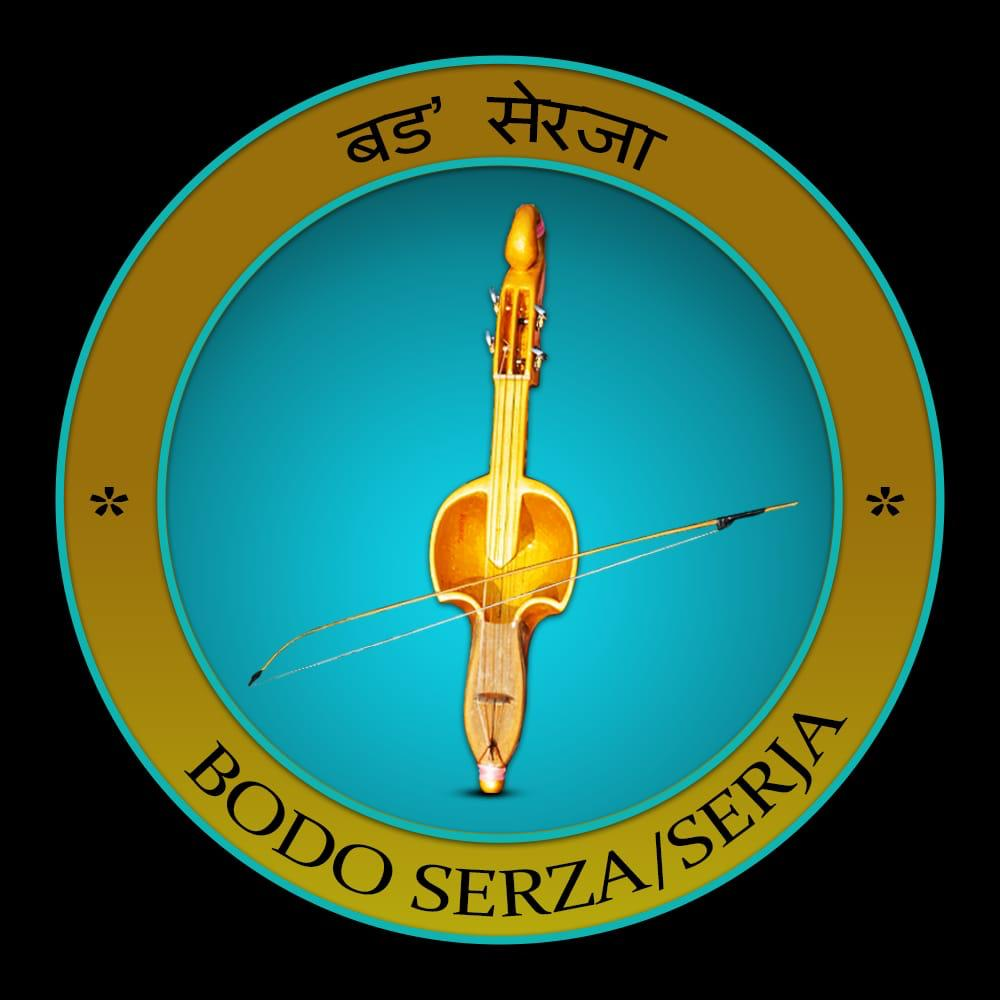
The Sound
Voices Carved in Wood
Musical Instruments
Music is the heartbeat of Bodo cultural life. At the Bwisagu festival, at weddings and at community gatherings, the traditional ensemble carries dance, devotion and celebration.
The serja, a bowed string instrument shaped and hollowed from wood, sings the melody. Played resting against the shoulder, its warm, vocal tone leads the Bodo ensemble and accompanies traditional songs handed down by ear rather than by notation.
The sifung, a long bamboo flute, answers with a bright, airy voice. Cut and tuned by hand, it is closely tied to the Bagurumba — the graceful “butterfly dance” in which the movement of the dancers echoes the flow of the melody.
Underneath it all is the kham, the long drum that keeps the community in step. Its deep, rolling pulse sets the tempo of the dance and gathers a crowd from across the village. Smaller instruments — the jotha cymbals and the gongona jaw harp — add texture and sparkle.
Each instrument is still made by hand from local materials: wood, bamboo, hide and cane. To learn to build one is to learn to hear it, and the craft of the maker and the skill of the player are two halves of the same tradition.
Related GI treasures
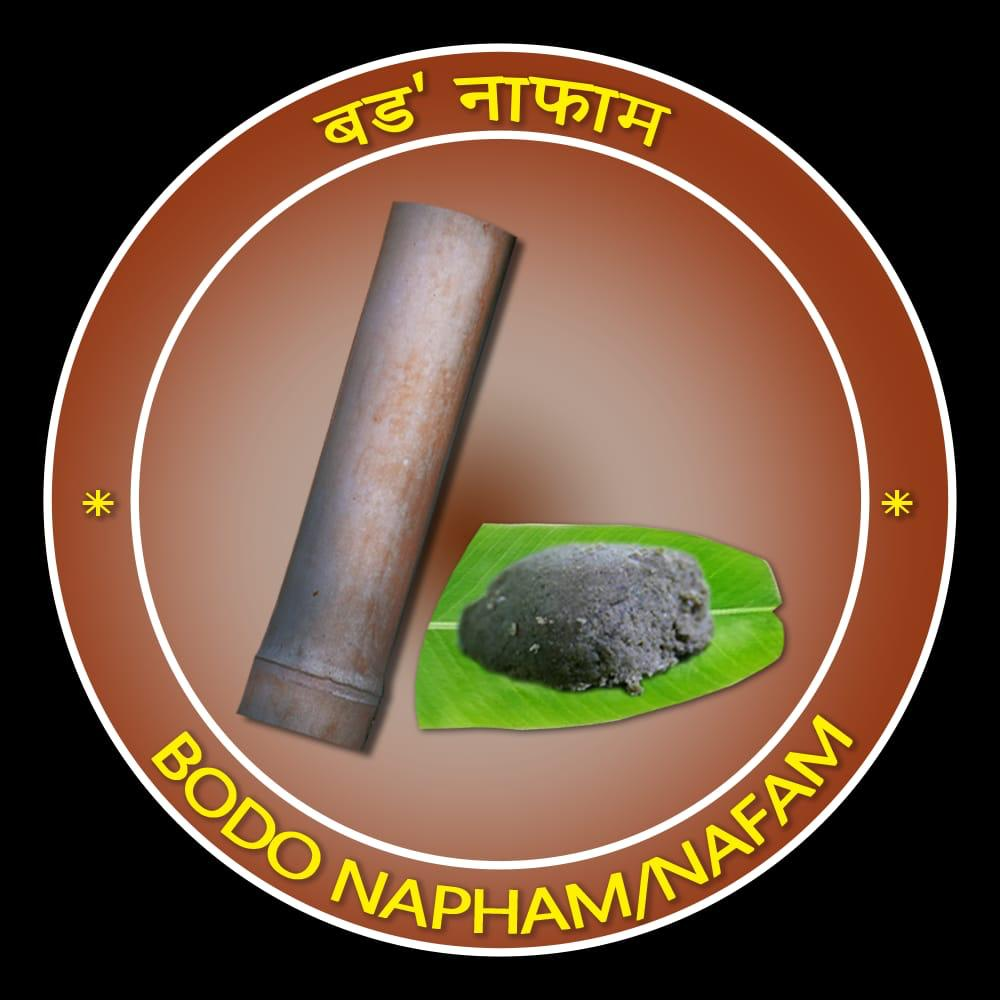
The Table
The Bodo Kitchen
Food & Agro Heritage
The Bodo kitchen is shaped by its landscape: rice fields, kitchen gardens, rivers and the forest edge. Its flavours are honest and elemental — built on freshness, fermentation and the slow wisdom of the season.
Napham is one of the signatures of the Bodo table — a preparation of fermented fish blended with vegetables and herbs, pressed and stored to carry the taste of the river through the year. It is an acquired, deeply loved flavour that speaks of home.
Ondla, a comforting rice-flour curry often cooked with khardwi — an alkaline extract traditionally drawn from dried plant ash — is everyday nourishment. Simple, warming and vegetarian, it shows how Bodo cooking coaxes richness from the humblest ingredients.
Greens, bamboo shoot, small river fish and seasonal vegetables round out the meal, cooked with restraint so that each ingredient keeps its own voice. Little is wasted, and much is preserved.
Alongside food sits jou, the traditional rice beverage brewed at home for festivals and hospitality. Woven into ritual and welcome, it is part of the social fabric rather than mere refreshment — another strand of a food heritage that is inseparable from Bodo identity.
Related GI treasures
Explore the treasures behind the stories
Discover all the Geographical Indication registered products of the Bodo community, or step inside the Digital Museum.